
A Guide to Bullying Prevention
You Deserve to Feel Safe
Everyone deserves to feel safe, respected, and included—at school, online, and in their community.
Bullying can happen in person or through phones, social media, gaming, group chats, and other online spaces. Whether you are experiencing bullying, seeing it happen to someone else, or worried about a friend, you don’t have to handle it alone.
Knowing what bullying looks like and what you can do can make a difference.
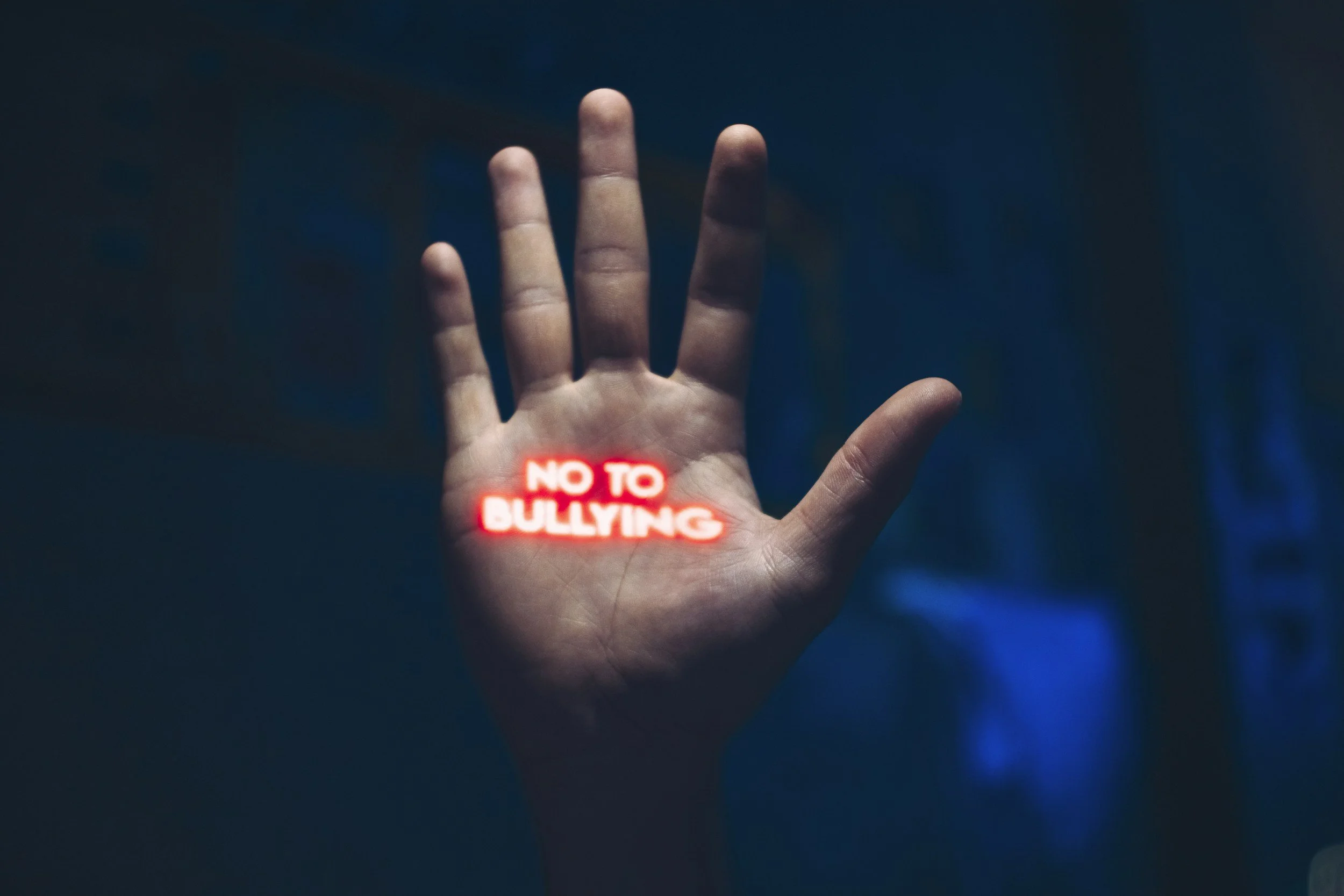
What Is Bullying?
Bullying is behavior that is meant to hurt, embarrass, threaten, exclude, or intimidate someone. It often happens repeatedly or involves a situation where one person has more power than another.
Bullying can include:
Verbal bullying: Name-calling, insults, threats, teasing, or hurtful comments.
Social bullying: Spreading rumors, purposely leaving someone out, embarrassing someone, or encouraging others not to be friends with them.
Physical bullying: Hitting, pushing, tripping, damaging someone’s belongings, or other unwanted physical behavior.
Cyberbullying: Sending or posting hurtful messages, pictures, videos, rumors, or comments through social media, texts, group chats, gaming platforms, or other digital spaces.
Not every disagreement between friends is bullying. Conflict happens when people have a disagreement or problem with each other. Bullying involves behavior intended to hurt or control another person and often includes an imbalance of power.
If You Are Being Bullied
You don’t have to deal with bullying by yourself.
Tell a Safe Adult
Talk to an adult you trust, such as a:
Parent or caregiver
Teacher
School counselor
Coach
Principal
Youth leader
Family member
If the first person you tell doesn’t help, tell another safe adult. Keep telling until someone listens and helps.
Be Clear About What Is Happening
Tell the adult:
Who is involved
What happened
Where it happened
How often it has happened
Whether you feel unsafe
Whether anyone else saw it
Save Evidence
If bullying happens online, don’t immediately delete the messages or posts. Take screenshots or save messages so you can show a safe adult what happened.
Don’t Retaliate
It can be tempting to respond with insults, threats, or physical aggression. That can make the situation worse and may get you in trouble, too. Focus on getting somewhere safe and asking for help.
If You Are in Immediate Danger
Get away from the situation and find a safe adult right away. If there is an immediate threat to someone’s safety, contact emergency services.
If You See Someone Being Bullied
You don’t have to be the target of bullying to make a difference.
Being an upstander means choosing to safely support someone who is being mistreated instead of ignoring what is happening.
You can:
Speak up when it is safe. Say something simple like, “That’s not okay,” or “Leave them alone.”
Don’t join in. Don’t laugh, like, share, forward, or comment on hurtful content.
Get help. Tell a safe adult what you saw.
Check in afterward. Ask the person if they’re okay. Sitting with someone, inviting them to join you, or sending a supportive message can make a big difference.
Report online bullying. Use reporting and blocking tools on social media, gaming, and messaging platforms.
You don’t have to confront someone if doing so could put you in danger. Getting an adult involved is still standing up for someone.
Unsure if you are being bullied?
Take the Bullying Self Assessment:https://mymindtest.com/bullying-test/
What About Cyberbullying?
Bullying doesn’t stop being harmful just because it happens through a screen.
If you experience cyberbullying:
Don’t respond or retaliate.
Save screenshots or other evidence.
Block the person when appropriate.
Report the account, post, message, or content.
Tell a safe adult.
Report serious or repeated behavior to your school when appropriate.
Remember: liking, sharing, forwarding, or commenting on embarrassing or hurtful content can help bullying spread—even if you didn’t create the original post.
How to Help a Friend
If a friend tells you they’re being bullied, one of the most important things you can do is listen.
You might say:
“I’m glad you told me.”
“Do you want me to go with you to talk to an adult?”
“What can I do to help?”
“You don’t have to deal with this alone.”
Don’t promise to keep bullying a secret if your friend may be unsafe. Getting help from a safe adult is more important than keeping the situation private.
What If I’ve Bullied Someone?
People can make harmful choices and still choose to do better.
If you’ve bullied, embarrassed, excluded, threatened, or hurt someone:
Stop the behavior.
Don’t make excuses or blame the other person.
Take responsibility.
Think honestly about what happened and how your actions affected someone else.
Talk to a safe adult.
A counselor, teacher, parent, caregiver, coach, or other adult can help you figure out what to do next.
Make things right when appropriate.
A sincere apology can be a start, but changing your behavior is what matters most.
Don’t encourage others to continue.
If friends or classmates are involved, don’t participate or help the behavior continue online or in person.
Making a mistake doesn’t mean you have to keep making it.
Find a Safe Adult
A safe adult is someone who:
Listens to you
Takes your concerns seriously
Helps you feel safe
Respects appropriate boundaries
Helps you find additional support when you need it
Think of at least three adults you could go to if you or a friend needed help.
Remember
You don’t have to handle bullying alone.
If something doesn’t feel right, tell someone. If the first person doesn’t help, keep telling until you find an adult who will.
And if you see someone else being mistreated, you have the power to make a difference—even a small act of kindness or getting help can matter.
Resources
StopBullying.gov
Information for students about bullying, cyberbullying, getting help, and helping others. StopBullying.gov
PACER National Bullying Prevention Center
Resources created to help students understand bullying, build inclusion, and take action.
https://www.pacer.org/bullying/
Kids Against Bullying
Student-friendly activities, videos, stories, and bullying prevention resources designed especially for younger students.
https://www.pacerkidsagainstbullying.org/
Teens Against Bullying
Resources for teens about bullying, cyberbullying, relationships, advocacy, and being an upstander.
https://pacerteensagainstbullying.org/
Your School
Your teacher, counselor, social worker, principal, or another trusted school employee can help you understand how to report bullying at your school.