
Resources
Filter Resources by:
Resources for Students & Youth
Resources for Parents & Safe Adults

A Guide to Puberty
Puberty is the time when your body begins changing from a child’s body into an adult body. You might notice changes in your body, your emotions, or even the way you think about yourself and other people. Having questions is completely normal.

A Guide to Mental Health
Everyone has mental health, and everyone experiences difficult emotions sometimes. Mental health is an important part of your overall health. It affects how you think, feel, handle stress, build relationships, make decisions, and manage everyday life.
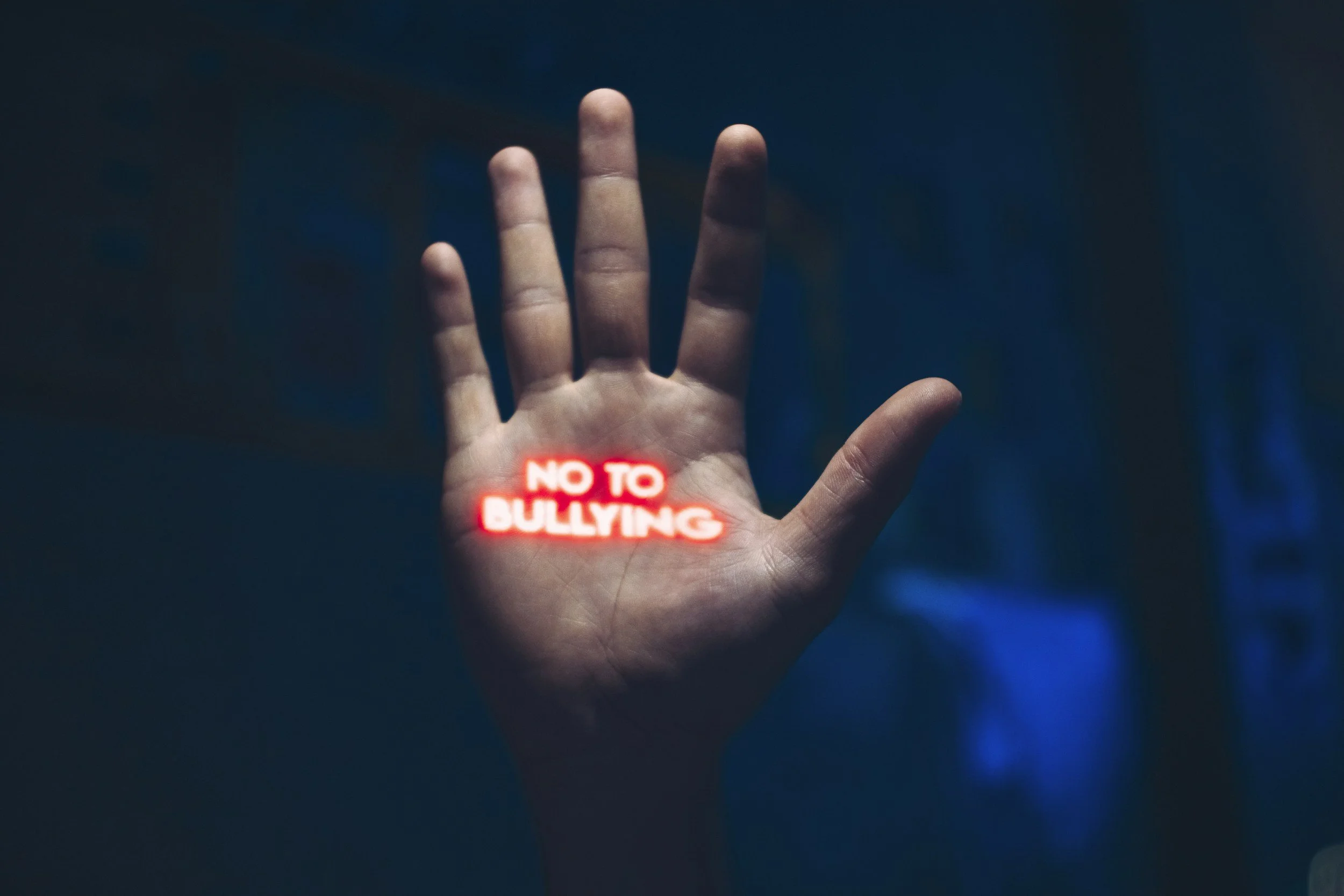
A Guide to Bullying Prevention
Everyone deserves to feel safe, respected, and included—at school, online, and in their community. Knowing what bullying looks like and what you can do can make a difference.

A Guide to Pregnancy & STI Prevention
Whether you are dating, thinking about becoming sexually active, or choosing to wait, you deserve accurate information and relationships built on respect, communication, boundaries, and consent.

A Guide to Healthy Relationships
Learning what healthy relationships look like can help you build stronger connections, recognize unhealthy behaviors, and know when to ask for help.
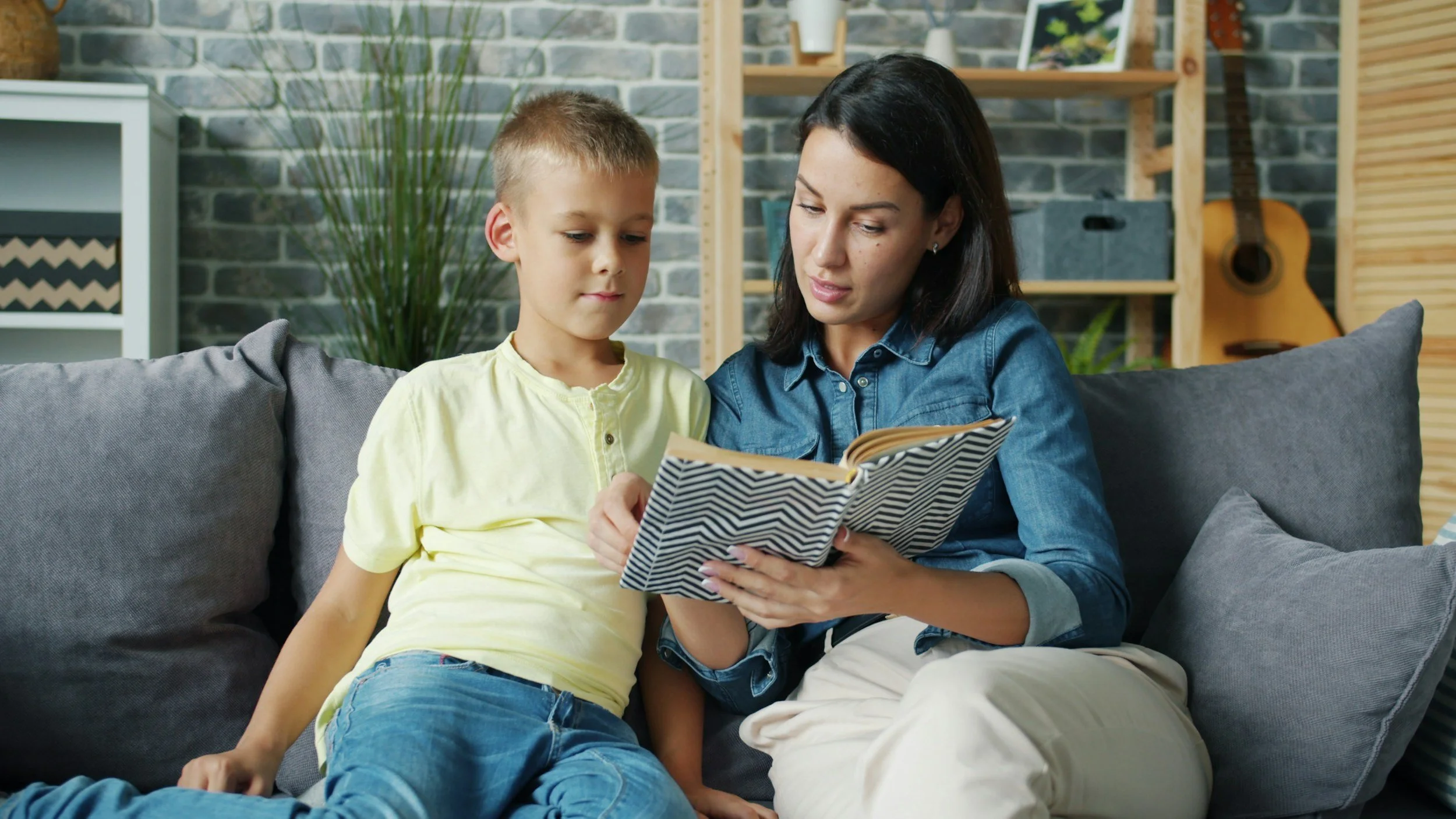
How to Be a Safe Adult
Young people need safe, supportive adults they can turn to with questions, concerns, and difficult experiences. Being a safe adult doesn't mean having all the answers. It means listening and helping a young person get the support they need.

Pregnancy & STI Prevention Guide for Parents & Caregivers
Talking with children and teens about relationships, sex, pregnancy, and sexually transmitted infections (STIs) can feel uncomfortable—but these conversations are an important part of helping young people make healthy, informed decisions.
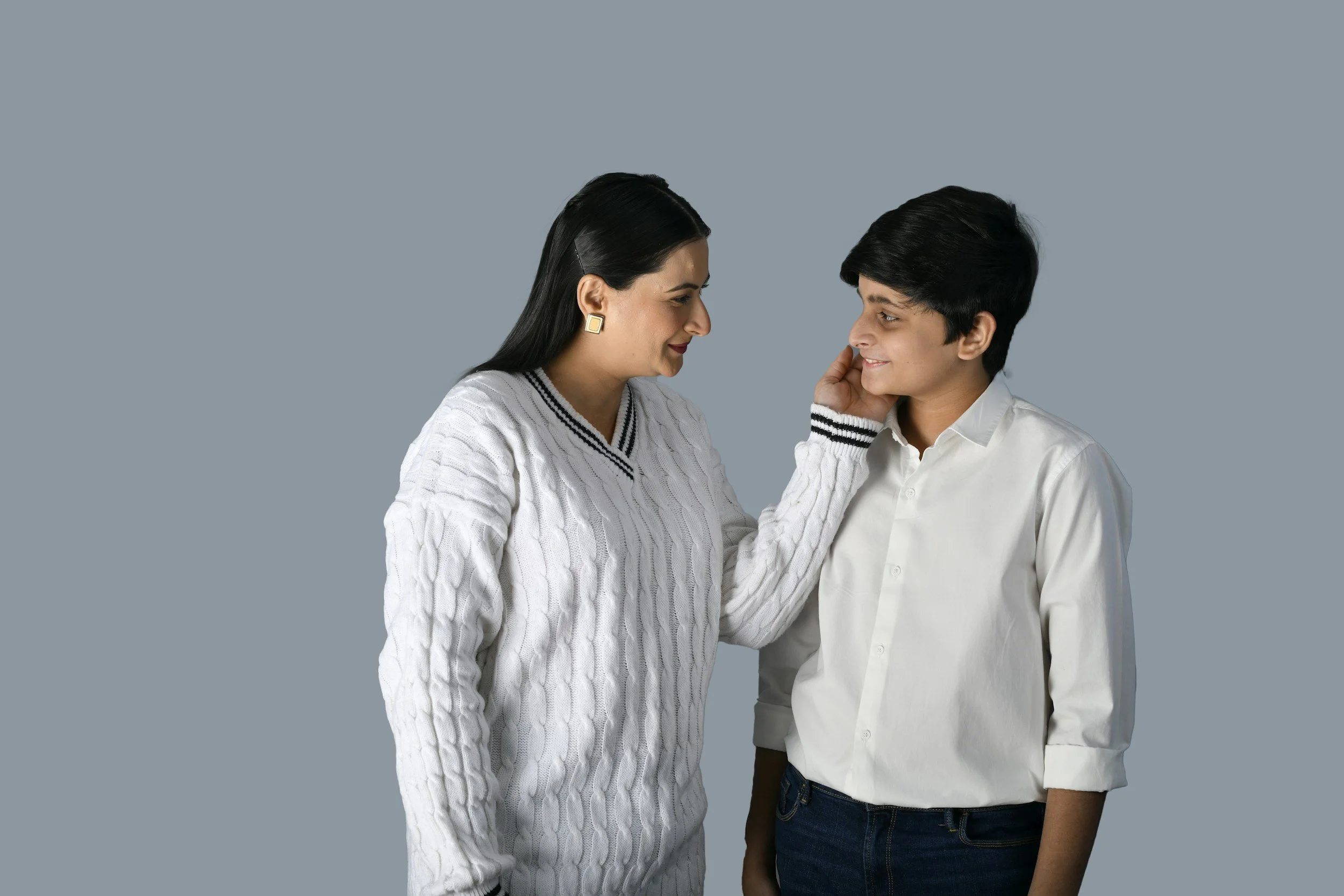
Mental Health Guide for Parents & Caregivers
Mental health is an important part of a young person’s overall health and well-being. Parents and caregivers don’t need to have all the answers. One of the most important things you can do is pay attention, keep communication open, and make sure your child knows they can come to you when they need support.

Healthy Relationship Guide for Parents & Caregivers
Parents and caregivers have an important role in helping young people understand what healthy relationships look like and recognize behaviors that may be unhealthy or unsafe. These conversations don’t need to begin when your child starts dating. Healthy relationship education can start early with friendships, boundaries, respect, and communication.

Helping Your Child Navigate Bullying
Bullying can happen at school, in social settings, and online. As a parent or caregiver, you play an important role in helping your child recognize bullying, respond safely, treat others with empathy, and know when to ask for help.