
Why Sex Education Should Be Taught in Schools
THE IMPACT OF COMPREHENSIVE SEX EDUCATION





Let’s Get Real.
Young people today face increasing pressures and challenges related to relationships, social media, mental health, peer influence, and online misinformation. Schools play an important role in helping students develop the knowledge and life skills needed to make safe, healthy, and responsible decisions.
61.3%
of Indiana High School Students have had sex
(Indiana YRBS)
Only
50%
used a condom
(Indiana YRBS)
Only
6.4%
have been tested for STIs
(Indiana YRBS)
1 in 4
girls
are sexually abused
(RAINN)
1 in 6
boys
are sexually abused
(RAINN)
1 in 5
children
are sexually solicited on the internet
(Crimes Against Children Research Center)
1 in 10
Indiana High School students
report physical dating violence
(Indiana YRBS)
93%
of victims
under the age of 18 know their abuser
(RAINN)
81.1%
of Indiana schools do not provide sexual or reproductive health services
(Indiana YRBS)
2 in 5
Indiana students
say parents or safe adults have not talked to them about sex
(Indiana YRBS)
Sex Education Helps Students Make Safer Choices
Research shows that quality prevention education helps students:
Delay sexual activity
Reduce risky behaviors
Increase communication and refusal skills
Better understand healthy boundaries and consent
Reduce rates of teen pregnancy and sexually transmitted infections (STIs)
THE LIFESMART EFFECT
In 10 years of teaching Sex Education in Scott County, Indiana, there has been a
44% Decline
in teen pregnancies
(County Health Rankings & Roadmap)


Education empowers students to make informed decisions rather than relying on misinformation from peers, social media, or the internet.

Students need medically-accurate information.
Many students receive conflicting or inaccurate messages about relationships, health, and sexuality online and through social media. School-based education ensures students receive factual, age-appropriate, and medically accurate information from trained educators.
Providing accurate information helps students:
Understand human development and puberty
Recognize healthy and unhealthy relationships
Learn how to seek help from safe adults
Build confidence and communication skills
Understand personal safety and boundaries
Clarifying misinformation and seeking answers to questions they have

Sex education supports healthy relationships and consent.
Modern prevention education goes beyond biology. Students also learn important social-emotional and safety skills such as:
Establishing and respecting boundaries
Understanding consent
Recognizing warning signs of abuse
Communicating effectively
Managing peer pressure
Developing healthy relationships
Identifying safe adults
Resource to seek questions
These skills help create safer schools and stronger communities.
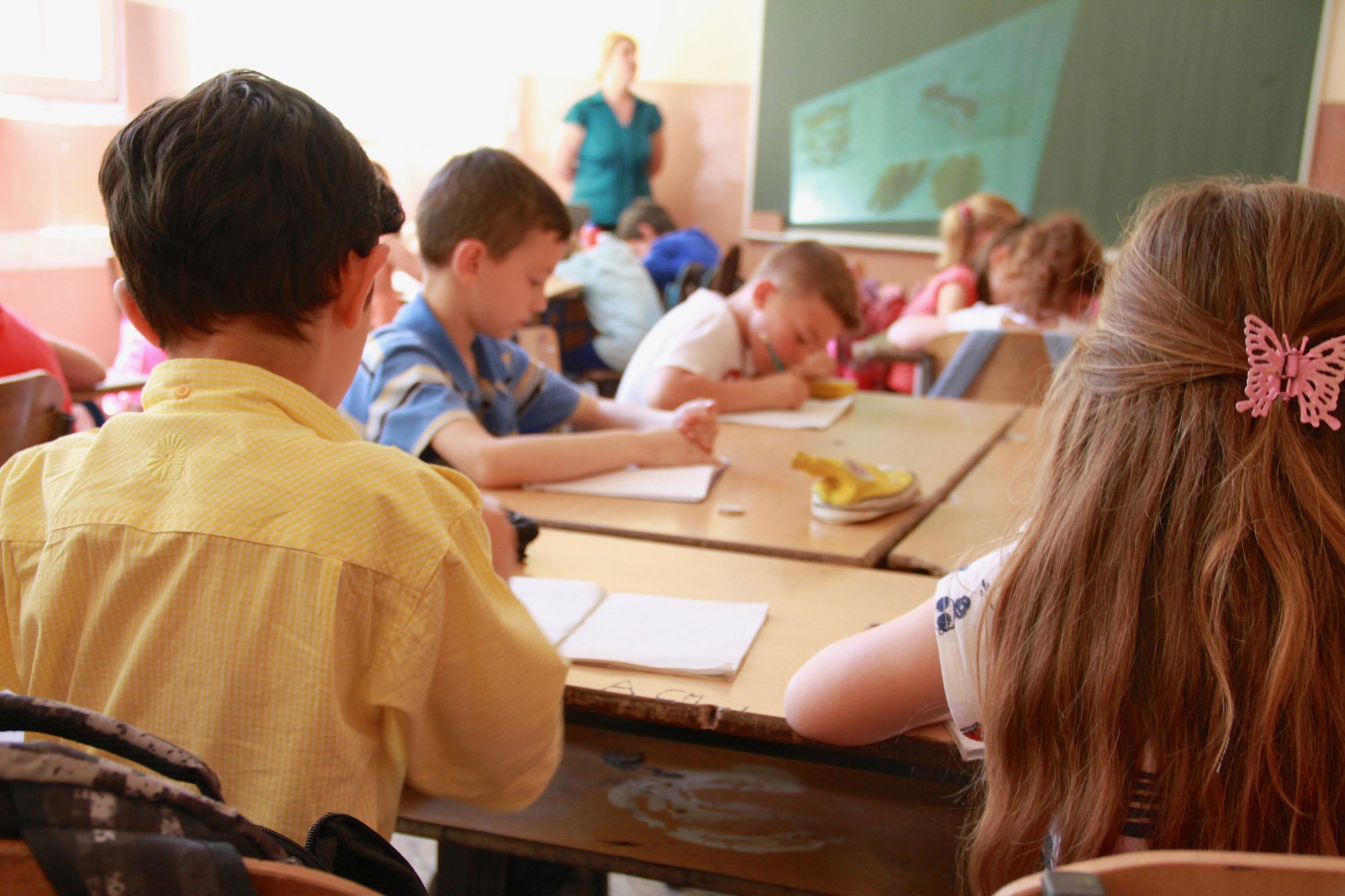
Schools are a trusted place for prevention education.
Schools are uniquely positioned to reach students consistently and equitably. Not every student has access to reliable health information or supportive conversations outside of school.
School-based prevention education helps ensure all students have access to:
Evidence-based/Evidence-informed instruction
Safe adult educators
Resources and support information
Skills that support long-term health and safety
LifeSmart Youth’s Commitment
At LifeSmart Youth, we believe education should empower, not shame, young people. Our programs are designed to help students build the knowledge, confidence, and life skills they need to lead healthy and safe lives.
JOIN OUR EFFORTS
We invite schools and community members to partner with us to make a lasting difference in the lives of Indiana youth.
Support LifeSmart Youth: