
LIFESMART YOUTH CURRICULUM
Safe Dates
Healthy Relationships
Grades 8-12 | 5 sessions (1 hour per session)

31%
OF INDIANA HIGH SCHOOL STUDENTS REPORTED THAT SOMEONE THEY WERE DATING TRIED TO CONTROL THEM OR EMOTIONALLY HURT THEM
Knowing the difference between healthy and unhealthy relationships is not always easy and addressing this topic as a teen is sometimes difficult – but it doesn’t have to be. In today’s world, it’s more important than ever to talk with young people about the characteristics of healthy relationships and safe dating habits. We can’t assume they’ll learn these lessons on their own. Safe Dates is an evidence-based curriculum that helps teens recognize the difference between healthy, unhealthy, and abusive relationships and gives them the tools to foster respectful, supportive connections.
Curriculum Overview
-
Define different types of relationships to person, place, things, and ideas
Identify characteristics that underscore healthy, supportive, and caring relationships
Explore the differences between needs (non-negotiable) and wants (negotiable) in dating relationships
-
Discuss the difference between a healthy and unhealthy relationship, including the difference between safe and unhealthy abusive relationships
Define dating abuse and how to recognize characteristics and red flags
Learn how to identify, communicate, and uphold personal boundaries in relationships to protect one’s emotional well-being, safety, and core values
-
Explore the underlying motivations for why some individuals choose to use power and control in relationships, and how these choices impact others
Examine how unhealthy relationship dynamics can negatively affect both the person experiencing harm and the person causing the harm
Consider real-life scenarios of abuse and talk through observations and warning signs
-
Define consent and emphasize that it involves clear, voluntary agreement, which can be communicated both verbally and through nonverbal cues
Differentiate the key terms and types of sexual dating abuse
Examine the laws surrounding consent and sexual behaviors in Indiana
-
Explore common misconceptions around the dynamics of abusive relationships
Analyze effective communication strategies to avoid miscommunications and maintain boundaries
Identify prevention resources for support and cultivate help-seeking behaviors, including developing the confidence and skills to move from being a bystander to an upstander
Indiana Academic Standards Met:
6-8.1.1
6-8.1.2
6-8.1.3
6-8.1.7
6-8.2.1
6-8.2.2
6-8.2.3
6-8.2.4
6-8.2.5
6-8.2.6
6-8.2.7
6-8.2.8
6-8.2.10
6-8.3.3
6-8.3.4
6-8.4.2
6-8.4.3
6-8.4.4
6-8.4.9
6-8.5.4
6-8.5.5
6-8.6.6
6-8.8.4

I learned there are many ways to have healthy and unhealthy relationships. I also learned there are many ways to give consent.
— 8th Grade StudentOur Instructional Flow
Review assessments and feedback to ensure programs continue meeting the needs of both teachers and students.
Students are assessed on their entry-level knowledge of the curriculum subject during the first session.
Students complete an exit survey to assess their understanding of the course content.
We distribute our “24/7” LSY resource cards to all participants on the last day of programming.
Students complete all five sessions over the course of the program. Our Health Educator will ensure a safe environment where questions are encouraged.
Meet Our Health Educators
-
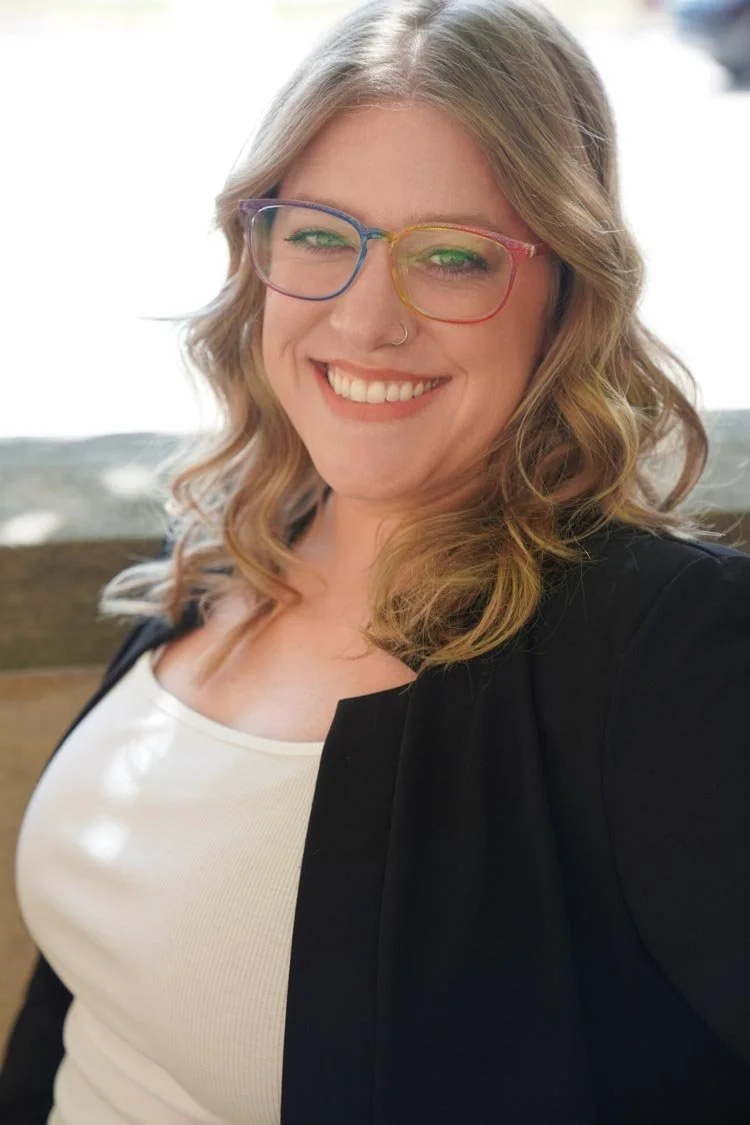
Danielle Bechtold
Adolescent Health Educator
-
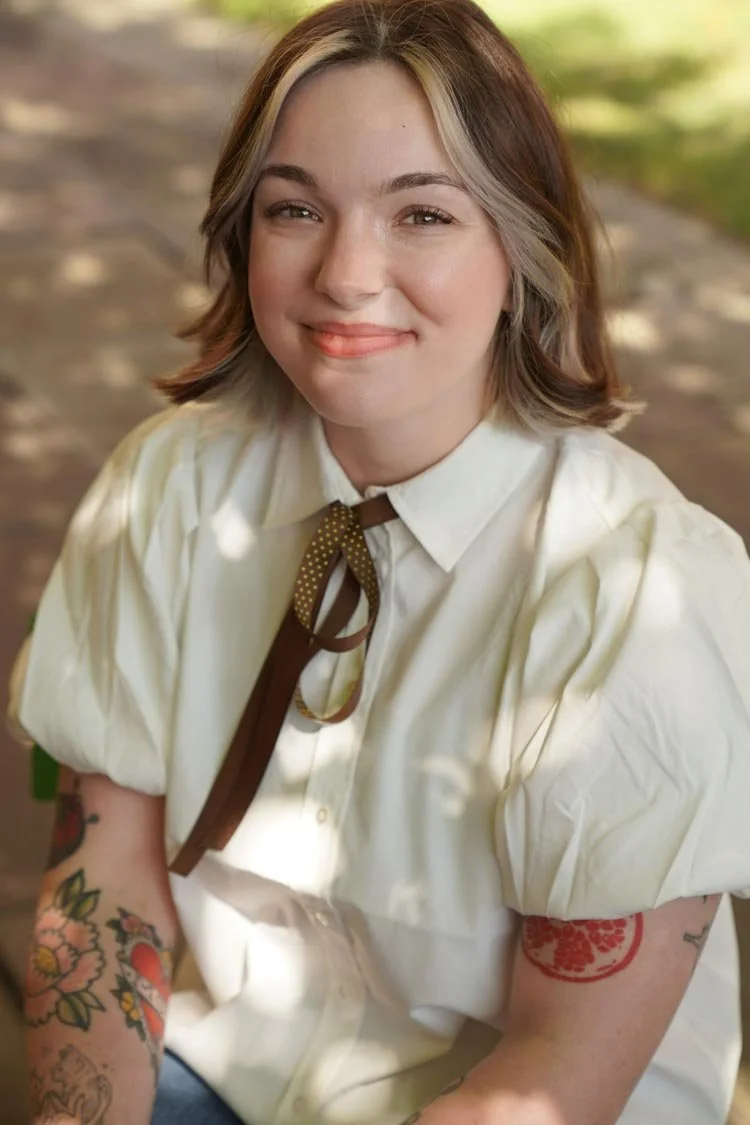
Hannah Rapp
Adolescent Health Educator
-
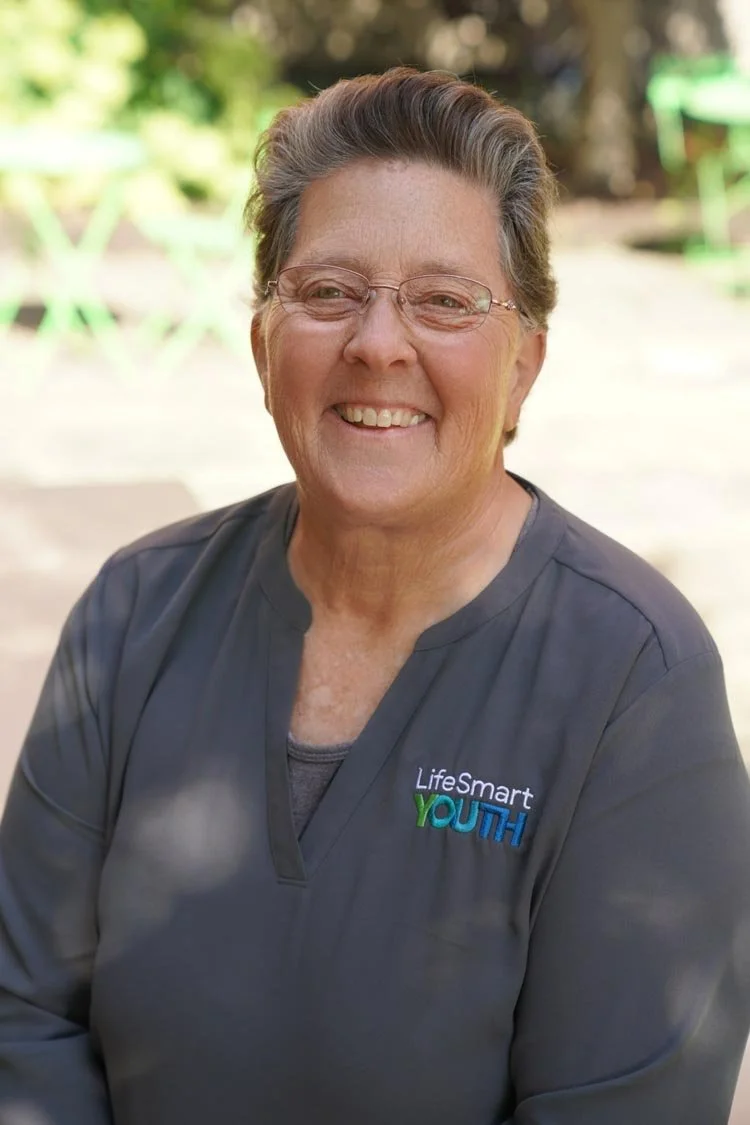
Kathy Lesch
Adolescent Health Educator
-
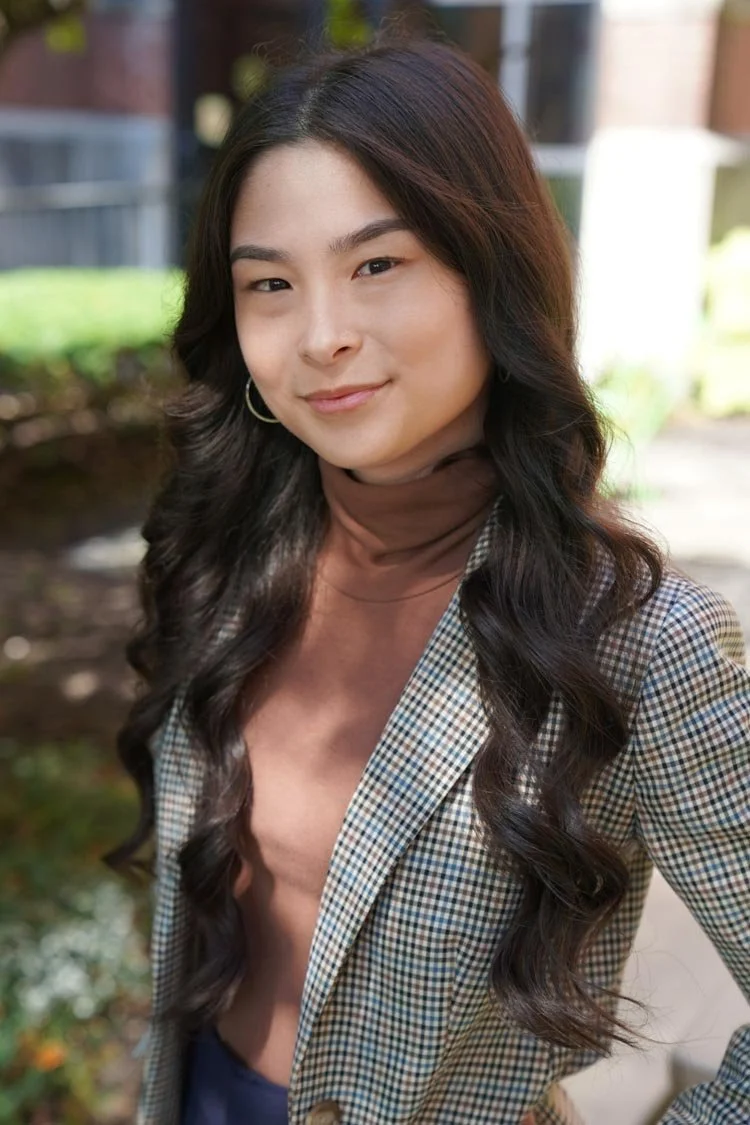
Madison Good
Adolescent Health Educator
-
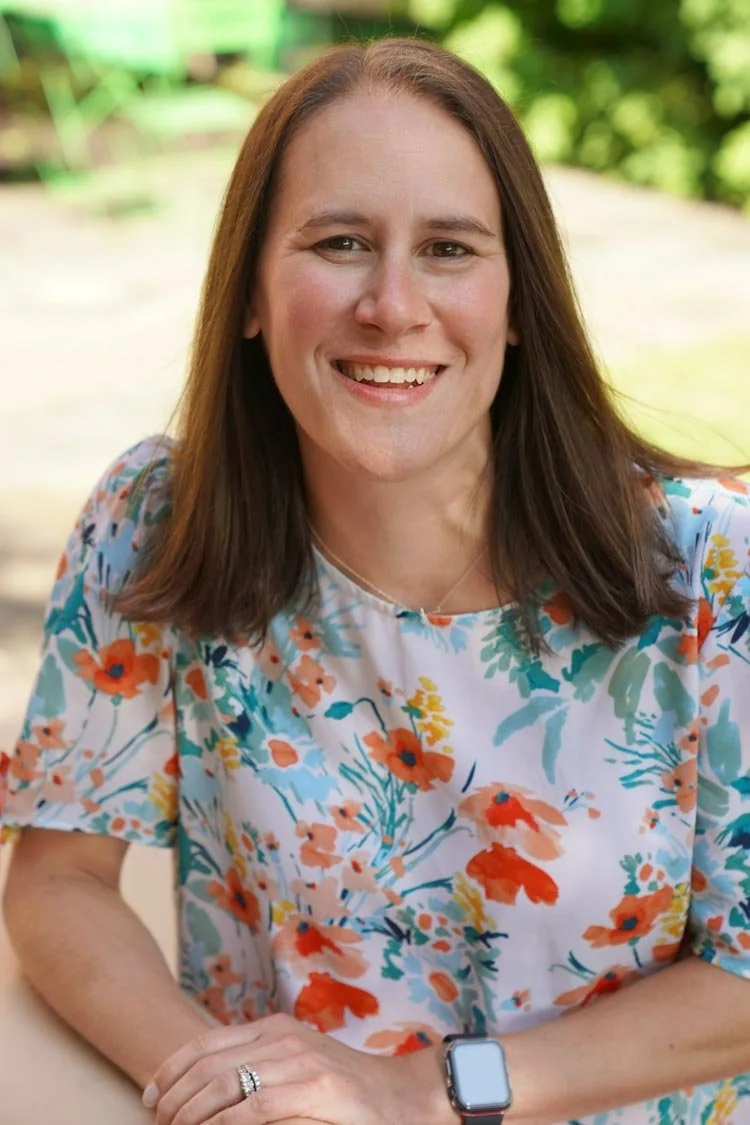
Lindsey Welch
Adolescent Health Educator
REQUEST PROGRAMMING
We invite schools to partner with us to make a lasting difference in the lives of students.
Explore Another Program
-
Human Growth and Development
Talking About Puberty | 4th-6th Grade
-
Rights, Respect, Responsibility (3Rs)
Pregnancy & STI Prevention | 7th-12th Grade
-
Safe Dates
Healthy Relationships | 8th-12th Grade
-

Mental Health Essentials
Mental Wellness | 9th-12th Grade
-

After-School Safety Matters (summer program)
Bullying Prevention | K-8th Grade